Those Amazing Benefits Of SMILE Eye Surgery: Whatever You Required To Know
Web Content Develop By-Ladegaard Lykkegaard
Recently, methods of vision correction have advanced considerably, providing patients safer and more efficient alternatives. One of the latest advancements in this discipline is SMILE eye surgery, a non-invasive technique that has drawn focus for its remarkable benefits. If you're considering options for treating nearsightedness, it’s important to comprehend what the SMILE procedure entails and how it relates to alternative corrective methods.
A lot of people are anxious to learn more about this groundbreaking technique, as it not just provides better vision but also features a quicker recovery time. With the growing trend of the SMILE procedure for myopia, questions about pricing, risk, and efficacy arise often. In this piece, we will discuss all you should know about SMILE eye surgery, including its benefits, how it functions, and what to expect during recovery. If you're interested in the procedure itself or looking to compare it with alternative methods like PRK, we are here to help.
What Is SMILE Eye Surgery
SMILE , Small Incision Lenticule Extraction is a revolutionary laser eye surgery designed mainly for treating nearsightedness, also known as nearsightedness. Permanent Myopia Correction is a minimally invasive procedure offers an option to conventional methods such as LASIK. By using advanced laser technology, SMILE reshapes the cornea so that light entering the eyes is accurately focused, improving visual acuity and eliminating the need for glasses or contact lenses.
In the course of this process, a specialized laser device is used for creating an thin disc or corneal tissue, which is then extracted through a tiny cut. Such a unique approach means that there is less disruption of the corneal surface, leading to a faster healing time post-operative recovery . The procedure lasts under 30 minutes and is performed in an outpatient setting, enabling individuals to return their daily activities shortly after.
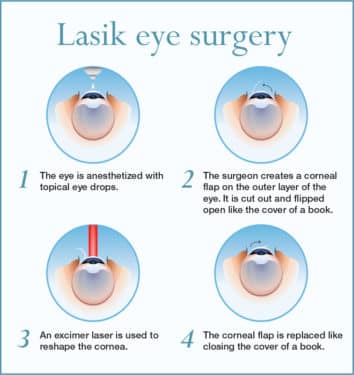
One of the distinguishing features in this procedure includes its accuracy along with safety profile. In contrast to other surgical techniques which necessitate creating of a flap in the cornea, this technique only necessitates a tiny cut. Such an approach lowers the risk of complications as well as adverse effects yet still ensuring optimal visual results. As a result, many individuals prefer this method as a more pleasant , as well as a effective option to correcting vision issues related to myopia.
Advantages of SMILE Eye Surgery
One of the key advantages of Small Incision Lenticule Extraction (SMILE) Eye Surgery is the less invasive nature of the procedure. Unlike traditional laser surgeries, such as LASIK, Small Incision Lenticule Extraction requires only a minimal incision, which leads to reduced trauma to the eye and faster recovery times. This minimally invasive approach also means that there is a reduced risk of complications and less discomfort during and after the procedure, allowing patients to return to their daily activities sooner.
Another considerable advantage of SMILE is its efficacy in treating myopia and myopia. The SMILE procedure alters the cornea to improve how light is focused on the retina, providing patients with better vision without the need for glasses or lens wear. Studies have shown that patients experience elevated satisfaction rates and marked improvements in their vision quality after undergoing Small Incision Lenticule Extraction surgery. This effectiveness makes it an desirable option for those seeking a permanent solution for their vision issues.
Additionally, SMILE Eye Surgery has a advantageous safety profile compared to other refractive surgery options. The recovery process is typically easy, with most patients experiencing limited side effects, such as eye dryness or glare. Moreover, the absence of a flap, which is standard in Laser-Assisted In Situ Keratomileusis, reduces the risk of flap-related complications. As such, many individuals find SMILE to be a safe and successful choice for achieving their vision correction goals.
Price of SMILE Surgery
The expense of SMILE eye surgery can differ significantly depending on several aspects, including the surgeon's experience, the technology used, and the geographic location of the practice. On average, patients can anticipate to pay anywhere from 2k to $4,000 dollars per eye. This pricing reflects the professional equipment and expertise necessary to execute the procedure efficiently.
When considering the total price of SMILE laser eye surgery, it is important to account for possible additional expenses such as pre-operative evaluations, post-operative care, and follow-up visits. While https://www.verywellhealth.com/laser-cataract-surgery-3421943 may look substantial, many patients discern that the long-term benefits, such as getting rid of the need for glasses or contact lenses, render the procedure financially worthwhile over time.
Insurance coverage for SMILE surgery often differs, with some plans providing partial coverage while others may exclude it at all. Patients should speak to their insurance providers to understand their benefits and any potential financing options offered to facilitate the procedure more accessible.
Recovery and Adverse Effects
Following undergoing SMILE eye surgery, the healing period is typically swift and straightforward. The majority of patients notice an immediate improvement in their vision after a few hours post-surgery. Nonetheless, it is advised to rest and avoid intensive activities for the first few days. Many individuals return to their usual daily routines after a day or two, but full visual stabilization may take a few weeks to achieve. Following the surgeon's after surgery care instructions is crucial to ensure a hassle-free recovery and best results.
Common adverse effects post-SMILE eye surgery comprise dryness of the eyes, slight discomfort, and fluctuations in vision. These symptoms are usually mild and generally resolve on their own as the eyes recover. Patients may be prescribed moisturizing eye drops to help alleviate dry eye sensations. It's vital to keep an eye out for any abnormal or persistent symptoms and to check in with the eye care provider if issues arise.
In comparison with other refractive surgeries, such as PRK, the side effects associated with SMILE tend to be minimal, partly due to the less invasive nature of the procedure. Patients often report high satisfaction rates with their vision outcomes and recovery experience. However, as with any surgical procedure, personal experiences may differ, and discussing potential risks and side effects with a qualified eye care professional is critical for knowledgeable decision-making.